

Shopping for a diamond feels exciting until you realize how many choices are actually in front of you. Natural or lab-grown? Modern brilliant cut or something with a little more history? If you’ve found yourself down the rabbit hole of old cut natural diamonds and lab-grown stones, you’re not alone.
At Ramani Jewelers in Dallas, we get this question all the time and honestly, there’s no single right answer. The best diamond for you depends on what you value most: history, sustainability, budget, or that one-of-a-kind sparkle that makes a room pause.
Let’s walk through both options clearly, so you can walk into any jewelry conversation with confidence.
What Are Old Cut Natural Diamonds?
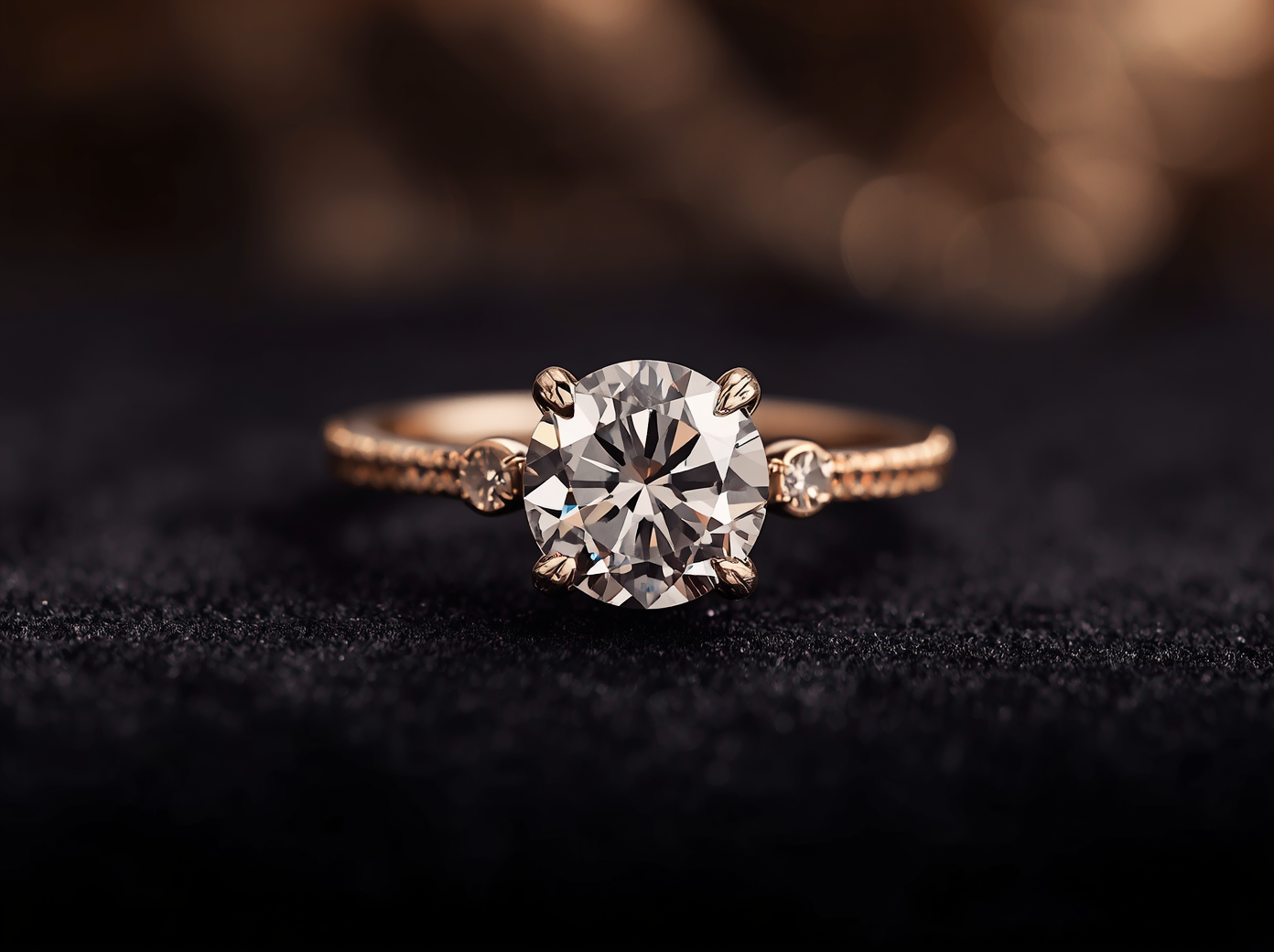
Old cut diamonds including the Old Mine Cut and Old European Cut were crafted by hand before modern cutting technology existed. Think of the late 1800s and early 1900s: every facet was shaped by a craftsman using candlelight as a guide. That origin shapes everything about how they look.
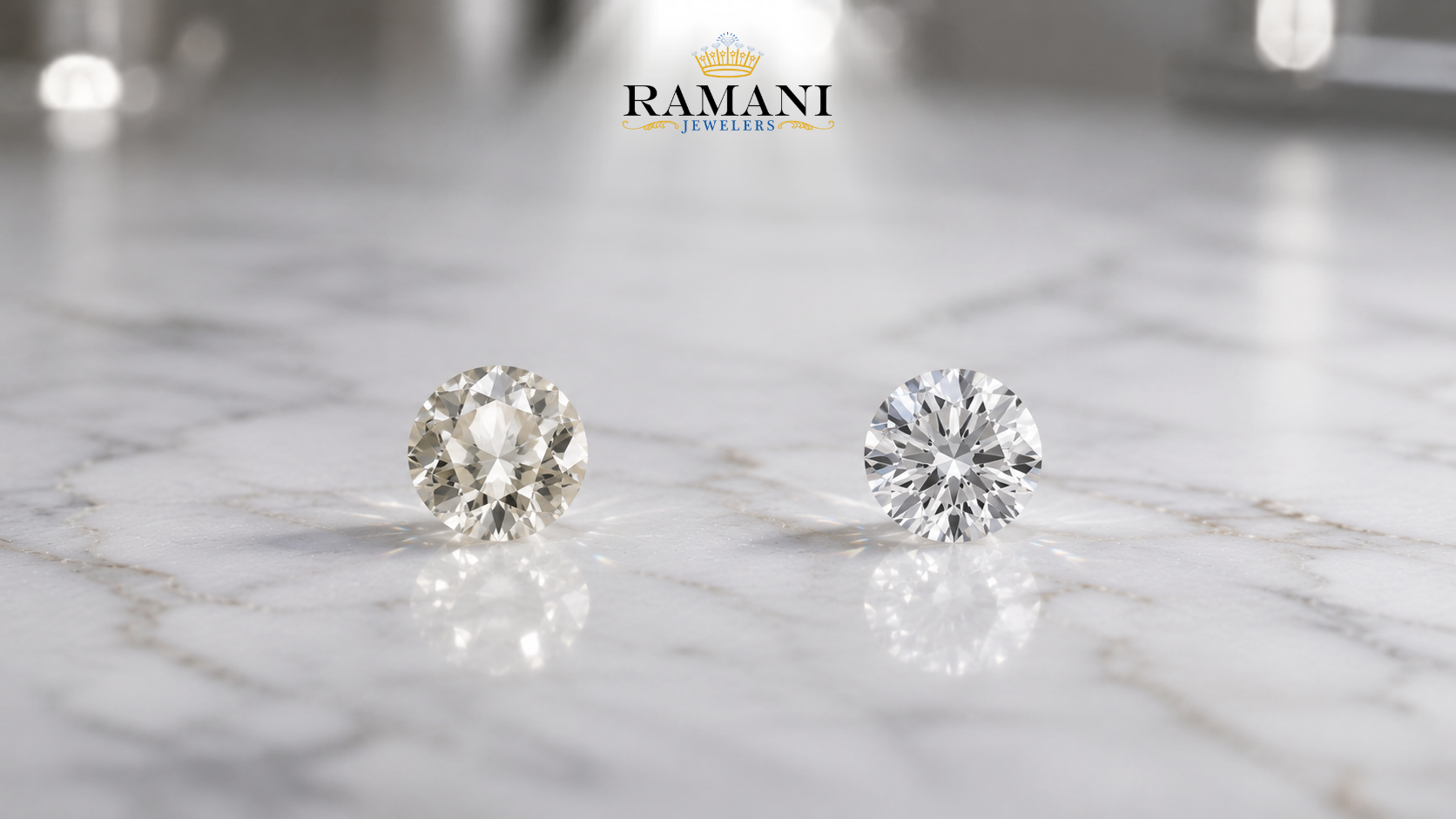
Instead of the sharp, precise brilliance of today’s round brilliant cut, old cut diamonds have a warmer, softer glow. Their facets are larger, their culets (the bottom tip) are often open, and they carry a personality that machine-cut stones simply don’t replicate. If you’ve ever looked at your grandmother’s engagement ring and felt something that warmth, that depth that’s the old cut charm at work. If you love unique and colorful jewelry styles, explore our gemstone collection for timeless pieces beyond traditional diamonds.
These are natural diamonds, formed over billions of years deep in the earth. Each one is genuinely unique no two are identical. For buyers who love history and craftsmanship, an old cut natural diamond is in a category of its own.
What Are Lab-Grown Diamonds?
Lab-grown diamonds are real diamonds not simulants like cubic zirconia or moissanite. They’re made of pure carbon, they score a 10 on the Mohs hardness scale, and they have the same physical and chemical properties as mined stones. The only difference is where they came from: a controlled laboratory environment instead of the ground.
Two main processes create them: High Pressure High Temperature (HPHT) and Chemical Vapor Deposition (CVD). Both produce diamonds that are certified by the same grading labs including IGI, which Ramani Jewelers uses and graded by the same 4 Cs (cut, color, clarity, carat).
Lab-grown diamonds typically cost 50 – 80% less than comparable natural diamonds. That price difference is real and significant it’s why many couples today choose lab-grown stones for engagement rings and use the savings toward other life priorities.
Old Cut Natural vs Lab-Grown: A Side-by-Side Look
Here’s how the two really compare across the things buyers care about most:
| Factor | Old cut natural | Lab-grown |
| Origin & rarity | Earth-sourced, hand-shaped decades or centuries ago genuinely rare | Produced on demand; consistent supply reduces rarity |
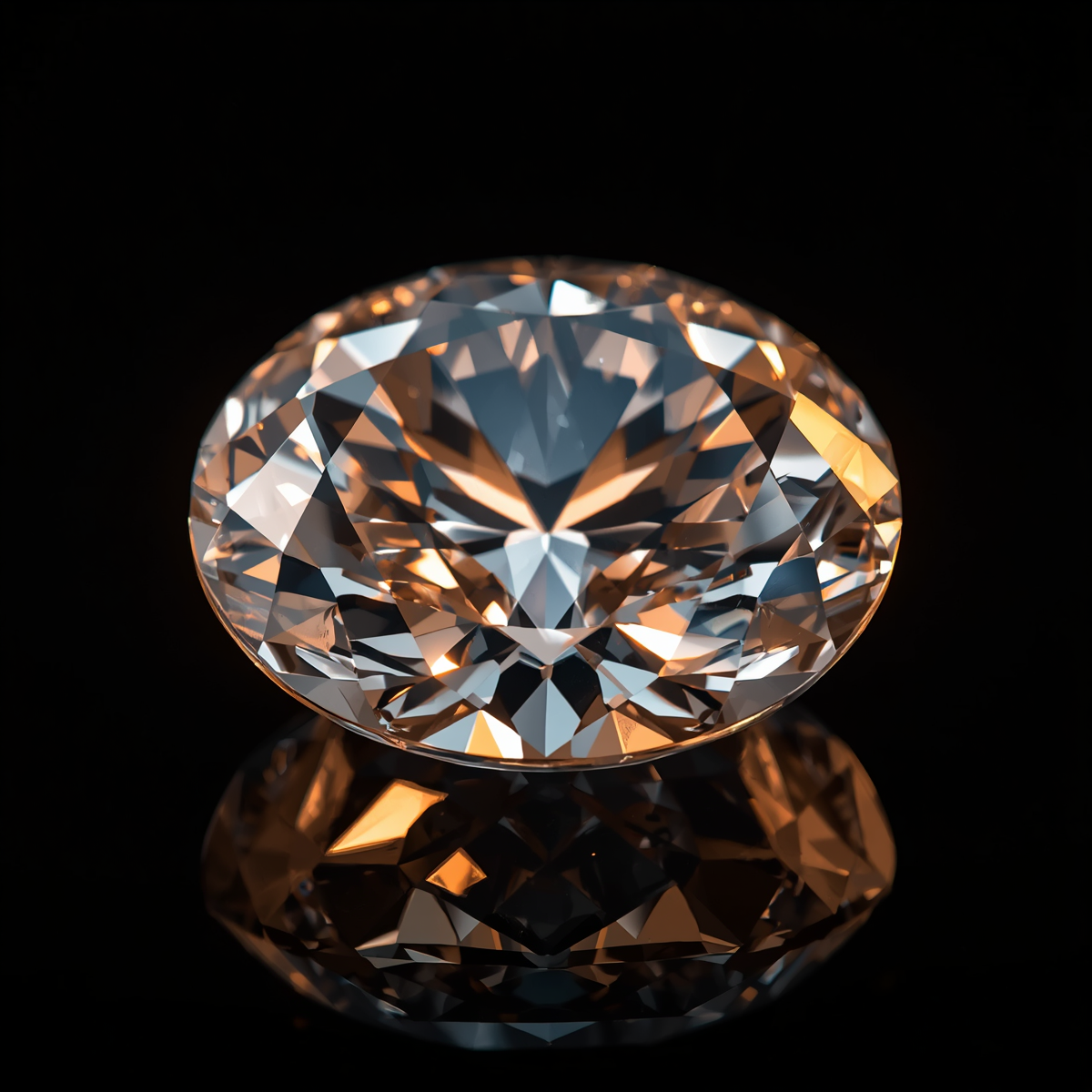
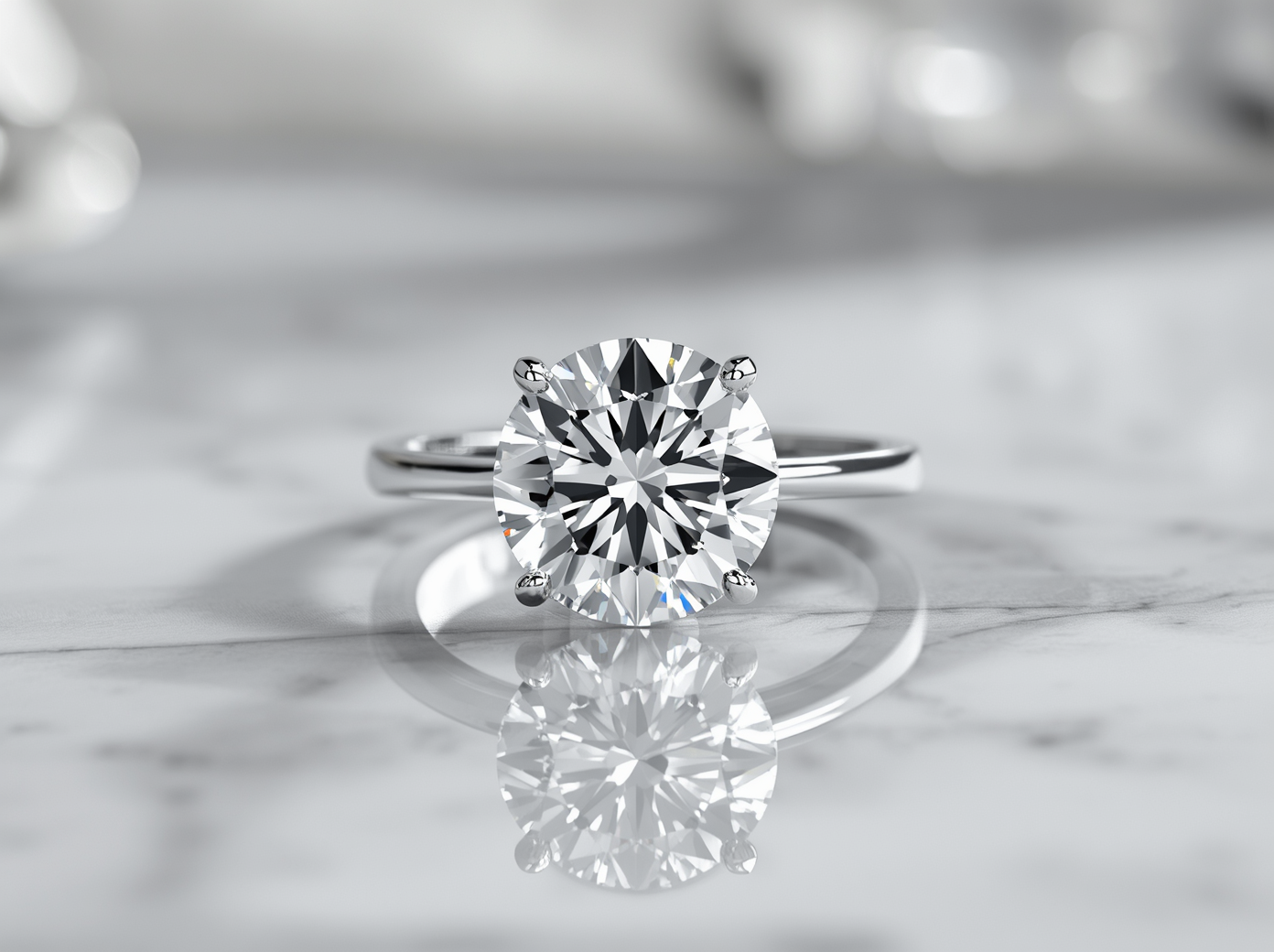
| Appearance | Warm, romantic glow with larger facets | Modern brilliant cut – sharper, more reflective, optically intense |
| Price | $4,000 – $8,000 per carat (varies by age, origin & condition) | $500 – $1,500 per carat |
| Resale value | Holds or appreciates over time | Sharp price drops as production scales up |
| Sustainability | Mining required; responsible sourcing has improved significantly | Generally seen as the more eco-conscious choice |
| Certification | Independently graded & certified | Independently graded & certified |
Which One Is Right for You?
Think about what you’re actually buying this diamond for. Is it an heirloom-quality engagement ring you’d love to pass down someday? An old cut natural diamond brings irreplaceable character and long-term value. Are you prioritizing a larger, brilliant stone within a specific budget? A lab-grown diamond gives you more diamond for the money without sacrificing quality.
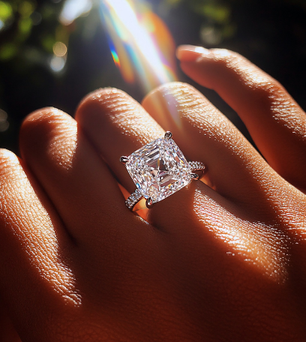
And if you’re drawn to the romance of antique jewelry the idea of wearing something that existed long before modern times there’s really nothing that replicates an old cut natural diamond. It’s not just a stone. It’s a piece of history on your hand.
At Ramani Jewelers, we carry both and genuinely love helping customers find the right fit. Come in, hold both side by side, and explore our diamond engagement ring collection before making your decision.
Conclusion
Both old cut natural diamonds and lab-grown diamonds are beautiful, legitimate choices they just serve different priorities. Natural old cuts bring history, warmth, and enduring value. Lab-grown diamonds offer brilliant modern sparkle at a fraction of the cost. The right answer is the one that aligns with your values, your aesthetic, and your budget.
Whatever you choose, you deserve to understand exactly what you’re buying and why. That’s the Ramani Jewelers promise we’ll give you honest information, no pressure, and access to stunning stones that suit your story. Contact Ramani Jewelers to schedule a personalized consultation and view our collection in person.
Ready to find your perfect diamond?
Visit Ramani Jewelers | 17390 Preston Rd, Ste 275, Dallas, TX 75252 | (972) 807-2880
Hours: Mon–Fri : 9am–7pm | Personalized Consultations Available
We’d love to walk you through our collection of natural and IGI-certified lab-grown diamonds in person.
Frequently Asked Questions
FAQ 1: Are lab-grown diamonds considered “real” diamonds?
Yes completely. Lab-grown diamonds are chemically and physically identical to mined diamonds. They’re made of carbon, they’re graded by the same 4 Cs, and they’re certified by the same gemological labs. The only difference is their origin. Anyone who tells you they’re “fake” is confusing them with simulants like cubic zirconia, which are an entirely different material.
FAQ 2: Can you tell the difference between an old cut natural diamond and a modern lab-grown diamond just by looking?
Yes, usually. Old cut naturals have a distinctly different look larger facets, a warmer glow, an open culet at the bottom, and a more cushion-like silhouette. Lab-grown diamonds are almost always cut to modern brilliant standards, meaning sharper, more uniform sparkle. A trained jeweler (or an observant buyer) can typically spot the difference. If you’re unsure, we’re happy to show you both side by side.
FAQ 3: Do lab-grown diamonds hold their value over time?
Not as well as natural diamonds, and it’s worth knowing that going in. As lab-grown diamond production has scaled up, resale prices have dropped considerably. They’re not a bad investment in your happiness or your relationship but if long-term resale value is a priority, natural diamonds (especially old cuts, which are becoming harder to find) tend to hold value better.
FAQ 4: What makes old cut diamonds special compared to modern cuts?
Old cut diamonds were shaped before electric lighting and precision machinery existed. Cutters worked by eye and by candlelight, optimizing for how a diamond looked in dim, warm light rather than under bright LEDs. This gives them a distinctive soft brilliance and a deeply personal character. No two old cuts are exactly alike, which is part of what makes them so beloved by collectors and romantics alike.
FAQ 5: Is it possible to get an old cut style in a lab-grown diamond?
It’s possible but rare. A handful of specialty labs do produce old mine cut or old European cut lab-grown diamonds, but they’re not common inventory items. If you love the old cut look but also want the price advantage of lab-grown, it’s worth asking your jeweler specifically we can check availability and let you know what’s realistically within reach.
FAQ 6: Does Ramani Jewelers carry both natural and lab-grown diamonds?
We do! Ramani Jewelers carries IGI-certified lab-grown diamonds as well as natural diamond jewelry in a variety of styles. We also specialize in custom engagement rings, so if you have a specific vision whether it’s an antique-inspired setting with a natural old cut or a modern solitaire with a lab-grown stone we can help you bring it to life. Stop by our Dallas showroom or give us a call and we’ll help you explore your options.